San Luis Norte Wind and Solar - Argentina .JPGSan Luis Norte Wind and Solar - Argentina .JPG

Climate change is one of the most significant challenges facing heavy industry. It also represents an opportunity to reshape how essential materials are produced and used.

Our approach to climate is grounded in long term thinking, technical expertise and a clear understanding of steel’s role in society. By transforming production, supporting the energy transition and enabling climate solutions through our materials, we are fulfilling our purpose to create smarter steels for people and planet.

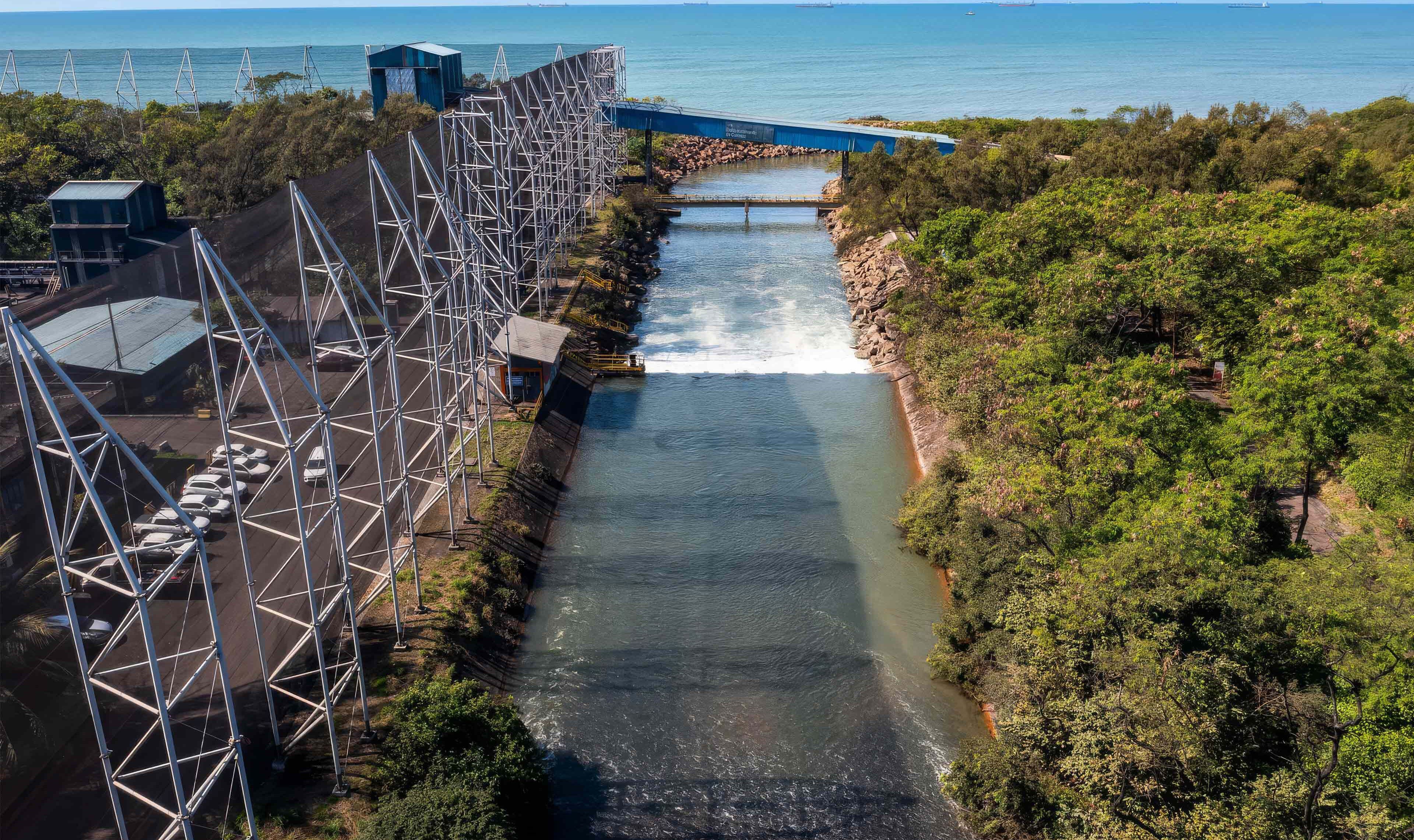
Seawater-desalination-plant---Tubarao-BRA-2.jpg

The climate challenge

Climate change is reshaping the world’s energy systems, industries and economies. Addressing it requires more than incremental change. It calls for a fundamental shift in how energy is produced, how materials are made, and how infrastructure is designed and built. Steel plays a central role in modern society. It is essential to buildings, transport, energy networks and industrial activity.

For ArcelorMittal, this creates both responsibility and opportunity. Climate action is not separate from our core business. It is directly connected to how we produce steel, how we source energy, and how our materials support the wider transition to a lower carbon economy.

Bioflorestas - BRA 2.jpg

Our climate approach

We approach climate change as a long term transformation of steelmaking and industrial systems. This transformation is complex and must reflect technical realities, economic conditions and the pace of change in global energy systems. Decarbonisation, in practical terms, means reducing the emissions associated with steel production while continuing to supply the materials society depends on. It involves changing production routes, improving efficiency, introducing new technologies when they are economic and rethinking how energy and raw materials are used.

Rather than relying on a single solution, our approach is designed to remain flexible and adaptive. Different technologies and production routes will evolve at different speeds, depending on regional conditions, infrastructure availability and energy systems. Our strategy reflects this diversity while maintaining a clear long term direction.

India---Renewables-(5).jpg

The energy transition

Climate action and the energy transition are inseparable. Reducing emissions across heavy industry depends on how energy is generated, distributed and consumed. In steelmaking, the energy transition involves a gradual shift away from fossil based energy inputs and towards electricity and lower carbon fuels. As production becomes more electrified, access to reliable and affordable clean energy becomes a defining factor in what is possible.

Our approach is therefore guided by three interconnected areas of focus below. Together they contribute to the energy transition and a lower carbon future.

Areas of focus

Transforming our operations

Open Accordion item

A core part of ArcelorMittal's climate approach is addressing how steel is produced. We are progressively transforming production processes, aligning investment decisions with technology readiness and infrastructure availability. Where solutions are viable today, they are implemented first. More complex or less mature pathways are developed through pilots, partnerships and staged deployment.

Innovation underpins this transformation. Advances in process design, digital control, material efficiency and alternative production routes all play a role in reducing emissions while maintaining product quality and operational reliability.

This is not a single step change, but a continuous process. Large industrial assets operate over long lifecycles, and their transformation requires careful planning, engineering and collaboration across the value chain. Our approach reflects the need for credible progress grounded in real world conditions.

Expanding Electric Arc Furnace Steelmaking

A key pillar of ArcelorMittal's strategy is increasing the use of electric arc furnaces (EAFs). EAFs enable the production high quality steel with significantly lower direct emissions, particularly when powered by clean electricity and supplied with recycled or low carbon metallic inputs.

ArcelorMittal is continually evaluating opportunities to increase its EAF footprint around the world and modernizing existing facilities to make them more efficient, more digital and better suited to producing high grade steels. These improvements also help reduce energy use and improve the carbon footprint of our operations.

Strengthening Recycling and Raw Materials Supply

High quality scrap and metallics are essential for low carbon steelmaking. To ensure a reliable supply for EAF operations and help us build a resilient, circular and lower emission materials supply chain:

  • Expanding recycling capabilities and investing in technologies that improve the quality and consistency of scrap, including advanced sorting and artificial intelligence.

  • Enhancing our ability to produce and secure the right types of iron ore pellets and other metallic inputs needed for lower carbon steelmaking processes.

  • Exploring sustainable alternatives to coal, including bio carbon sourced from responsibly managed biomass, to reduce emissions in processes where coal is still required.

Advancing Breakthrough Technologies

While we take near-term steps, we are also preparing for the next generation of technologies that will enable deep decarbonization across iron and steelmaking. Our work includes:

  • Hydrogen-based iron and steelmaking, including replacing fossil fuels in certain thermal processes.

  • Electrolysis technologies that have the potential to produce iron using only electricity.

  • Carbon capture, utilization and storage, with pilot projects designed to help us understand performance, integration and scalability.

Through pilot projects, partnerships and targeted investments, ArcelorMittal is building the capabilities needed to deploy these solutions when the energy system and supporting infrastructure are ready.
Supporting the expansion of clean energy

Open Accordion item

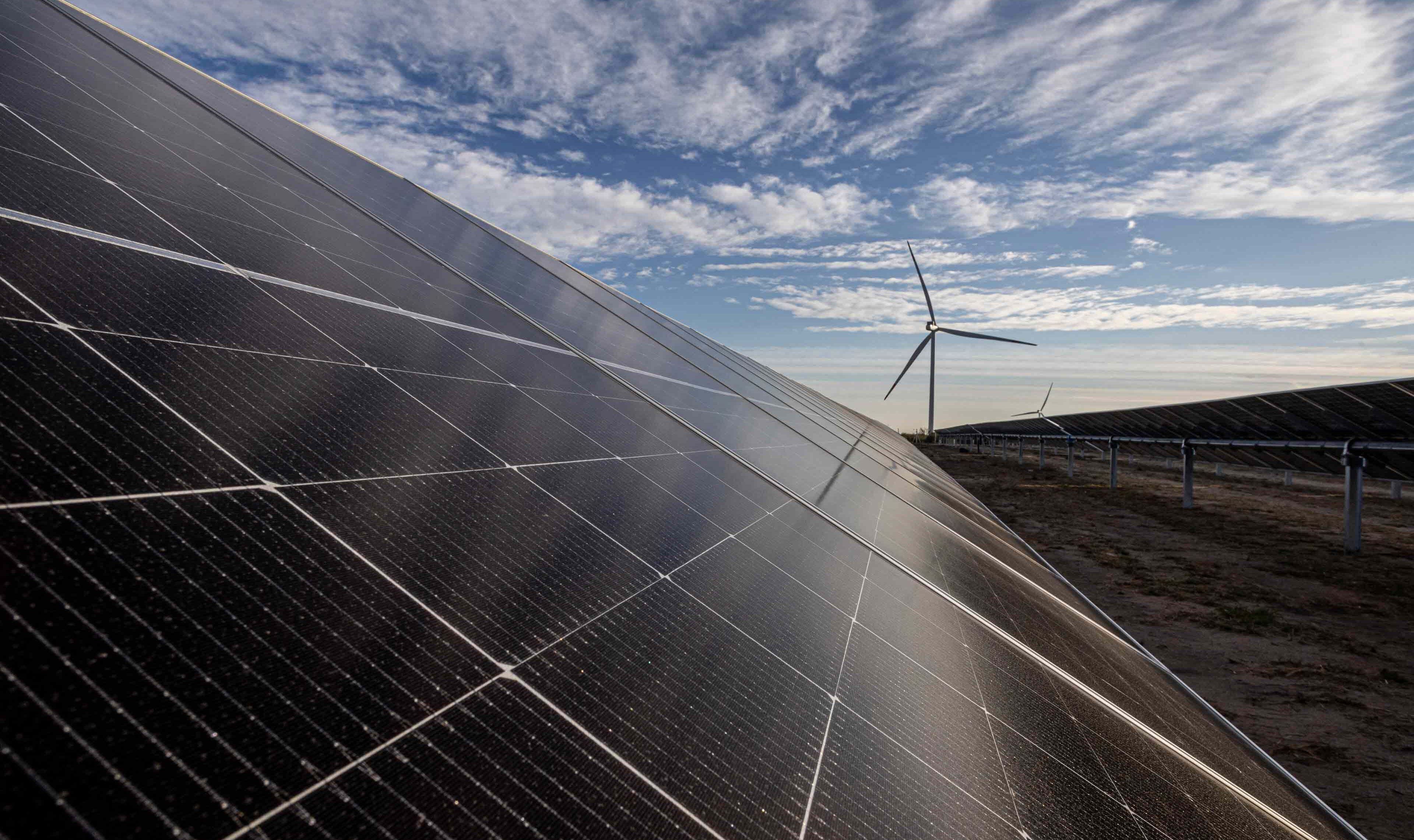
Clean and renewable energy is a critical enabler of lower‑carbon steelmaking.

As steel production relies more on electricity, the carbon footprint of that electricity becomes increasingly important. Access to low carbon power directly influences the emissions profile of steel and the feasibility of new production technologies. We view the energy transition not only as a risk to manage, but as a structural change in the industrial landscape. Securing reliable clean energy supports emissions reduction, reduces exposure to energy volatility and enables longterm industrial transformation.

Changes in energy systems are therefore essential to reducing emissions from heavy industry. The transition of steelmaking and the transition of energy systems must progress together.

Expanding Access to Low‑Carbon Energy

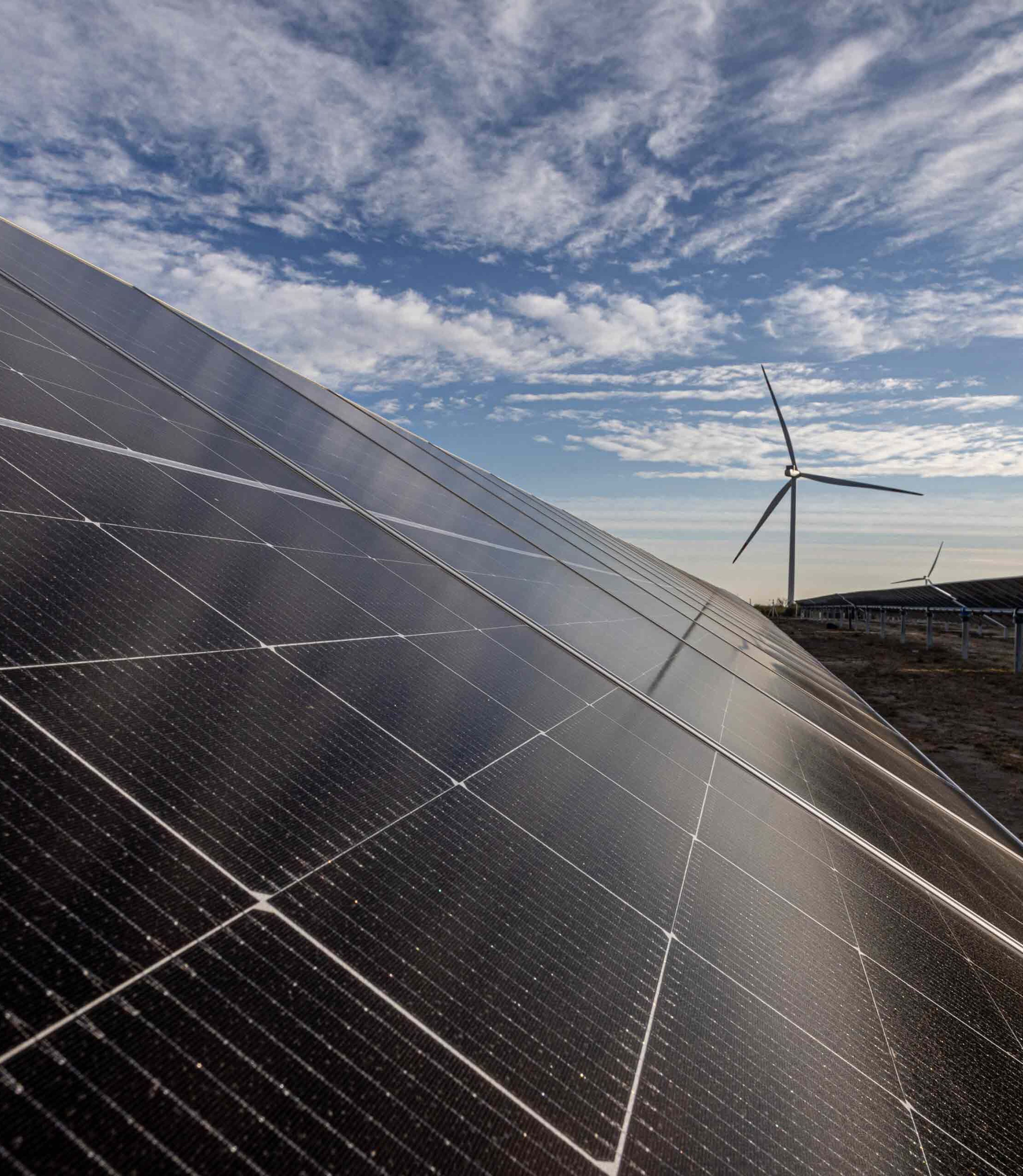
To support our transition to lower‑carbon steelmaking, we are building a diverse portfolio of renewable energy assets in India, Brazil and Argentina - regions with strong natural resources and supportive policy environments. These projects supply our operations with clean, reliable electricity and help reduce our exposure to volatile energy markets.

We are also continuing to grow this portfolio with additional renewable energy developments that will further strengthen our long‑term access to affordable, low‑carbon power.

Securing Long‑Term Low‑Carbon Electricity

Alongside our investments in renewables, we have entered a long‑term agreement with EDF in France that gives us access to a dedicated share of low‑carbon nuclear power. This provides us with a stable, competitively priced supply of electricity over many years.

Enabling the transition through materials and solutions

Open Accordion item

Steel is not only a sector that must decarbonise. It is also a material that enables decarbonisation across the wider economy. Renewable energy infrastructure, electrified transport, power grids, efficient buildings and resilient infrastructure all rely on high performance steel. These systems require materials that combine strength, durability and reliability over long operating lifetimes.

Electrical steels sit at the centre of the role we are playing in enabling the transition. They enable technologies such as electric transport, renewable energy, modern power grids and data infrastructure. As demand for these applications increases, the need for high‑performance electrical steels is rising. To meet this demand, we are significantly expanding our production capacity with a new electrical steel line in Mardyck, to complement our existing European operations. We are also developing a new electrical steels facility in Alabama to supply automotive, renewable energy and industrial motor markets, increasing our ability to meet growing global demand.

In the built environment, steel also supports design approaches that reduce material use, improve energy performance and integrate renewable energy systems. Our approach includes holistic services like Steligence®, which promotes design that uses materials more efficiently, reduces environmental impact and unlocks value across the life cycle of buildings and infrastructure. By combining materials expertise with design thinking, steel can help reduce emissions across the full lifecycle of buildings and infrastructure.

Our insulated steel solutions improve building energy performance by combining thermal efficiency, structural strength and easy installation. Innovations such as integrated roofing systems—with steel panels, insulation and solar cells in one lightweight module—offer lower carbon footprints and higher energy performance. These advancements show how our products are increasingly aligned with the growing needs of electrification and energy‑efficient construction.

Solar Energy Project - Casa dos Ventos BRA 2.jpg

A connected transition

The climate challenge cannot be addressed in isolation. Transforming steelmaking depends on policy frameworks, energy infrastructure, technological development and collaboration across industries. Our approach reflects this interconnected reality. Transforming operations, enabling clean energy and supplying materials for climate solutions are mutually reinforcing elements of a broader transition.

We work within a complex and evolving environment, where progress depends on external conditions as well as internal action. This requires balancing ambition with realism, and maintaining flexibility as technologies, markets and policies evolve.